

Intelligent Financial Closure with AI
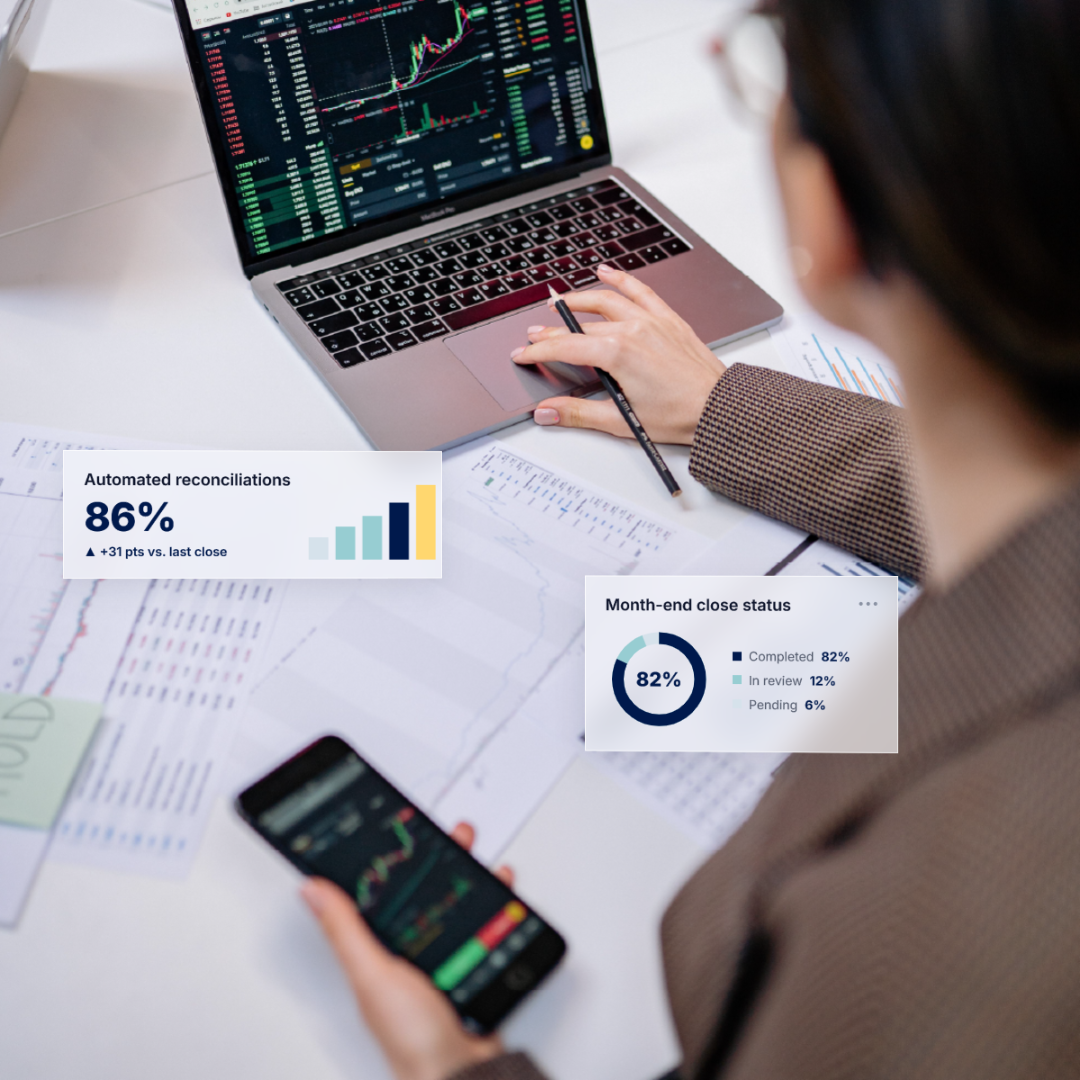
It automates accounting closing and generates consistent reports with speed and traceability, eliminating rework and errors.
Main Features
Closure automation
Orchestrate closing activities with AI, from reconciliation to seat generation, reducing manual burden and increasing process reliability.
Financial Modeling with Predictive Analysis
It integrates forecasts and scenarios with machine learning to anticipate risks and improve closure accuracy, identifying trends and possible deviations before they occur.
Intelligent and auditable workflows
They ensure version control, approvals and full traceability, with configurable business rules that ensure regulatory compliance and transparency.
Dynamic dashboards with augmented analytics
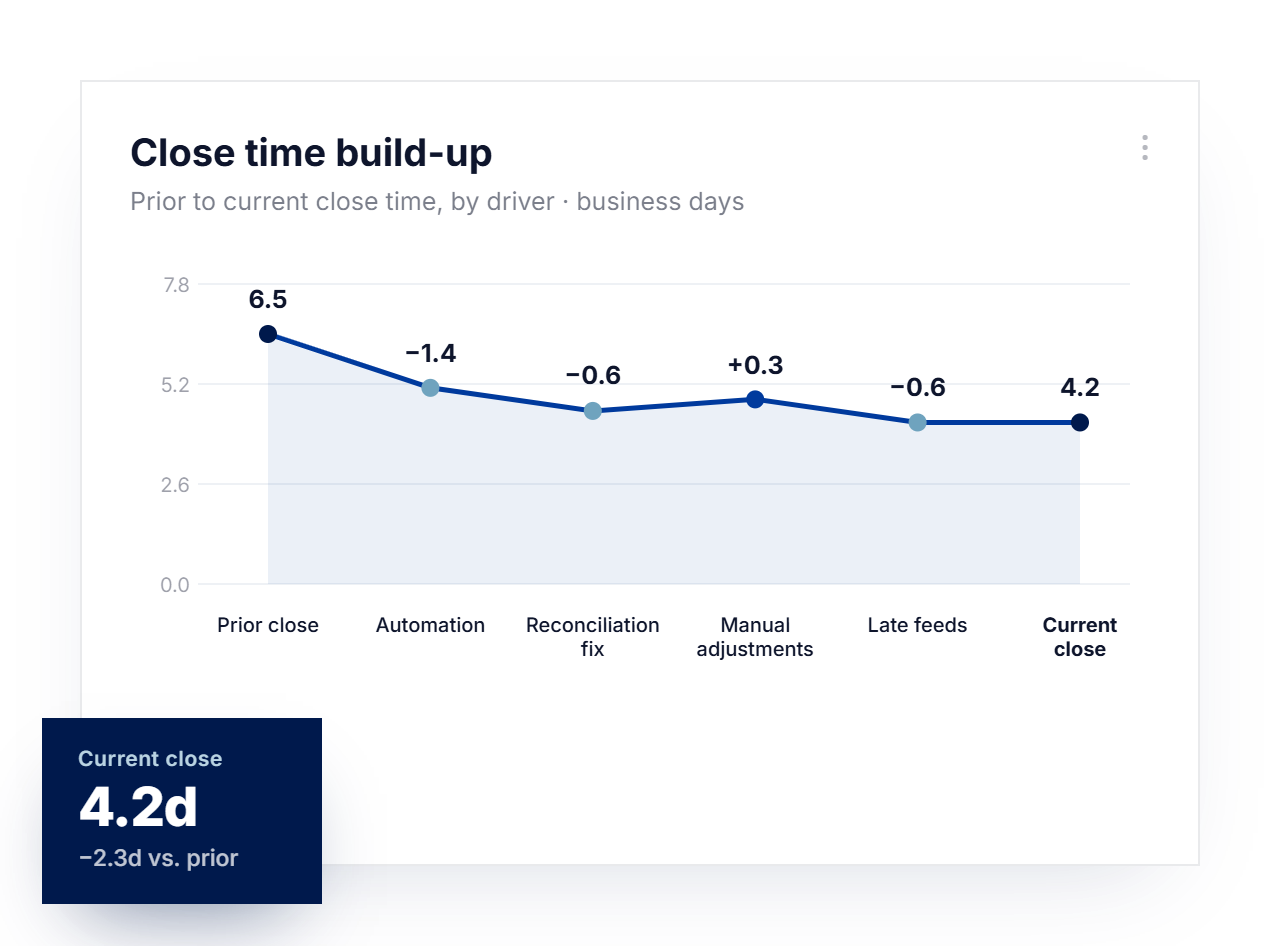
They show financial KPIs, closing progress indicators and critical deviations in real time to enable quick and corrective decisions.
Intelligent reconciliation between sources
It proactively identifies inconsistencies and proposes automatic corrections, accelerating data consolidation and reducing manual rework.
Discover the supply chain and financial planning platform

Coty redefines its planning: from fragmented processes to decisions with real business impact

When financial complexity requires another level: EDP Brasil redefines its FP&A with Pyplan

From complexity to total control: Coca-Cola Andina redefines its planning with Pyplan


Resources

Agentic AI in planning: separating the hype from the product
The 2026 tariff volatility requires replanning in days, not months. What capabilities do Supply Chain and Finance need to avoid being exposed?

New Skills for the Demand Planner of the Future
The skills demand planners need as AI reshapes planning: more judgment, sharper analysis and better decisions.

Demand Sensing: Process, Solutions and CPG Examples
What demand sensing is, the 5-step process, how to choose demand sensing software and how CPG companies use it to cut short-term forecast error.
See Pyplan in action