
Four layers integrated into a single platform


A single source of truth. Always available. Always reliable. Integrate your data sources and automate processes in a robust, traceable, and up-to-date environment.
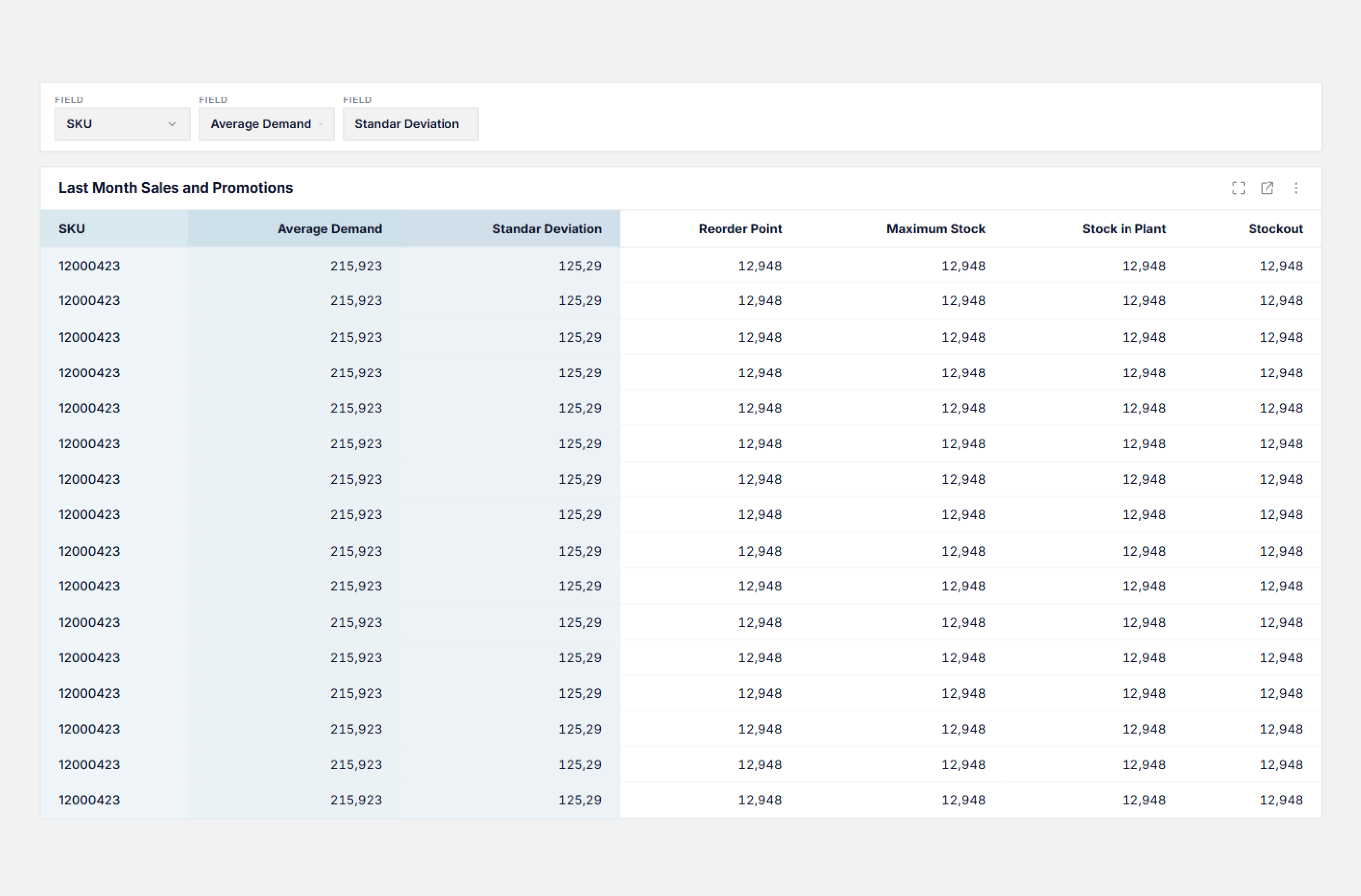
Connect spreadsheets, databases, ERPs, CRMs, or external APIs.
Design automated transformations so your data is always ready.
End-to-end traceability: from source to reports.
Represent real-world processes—from cash flow to logistics networks—clearly, scalably, and transparently, using Python-based logic.
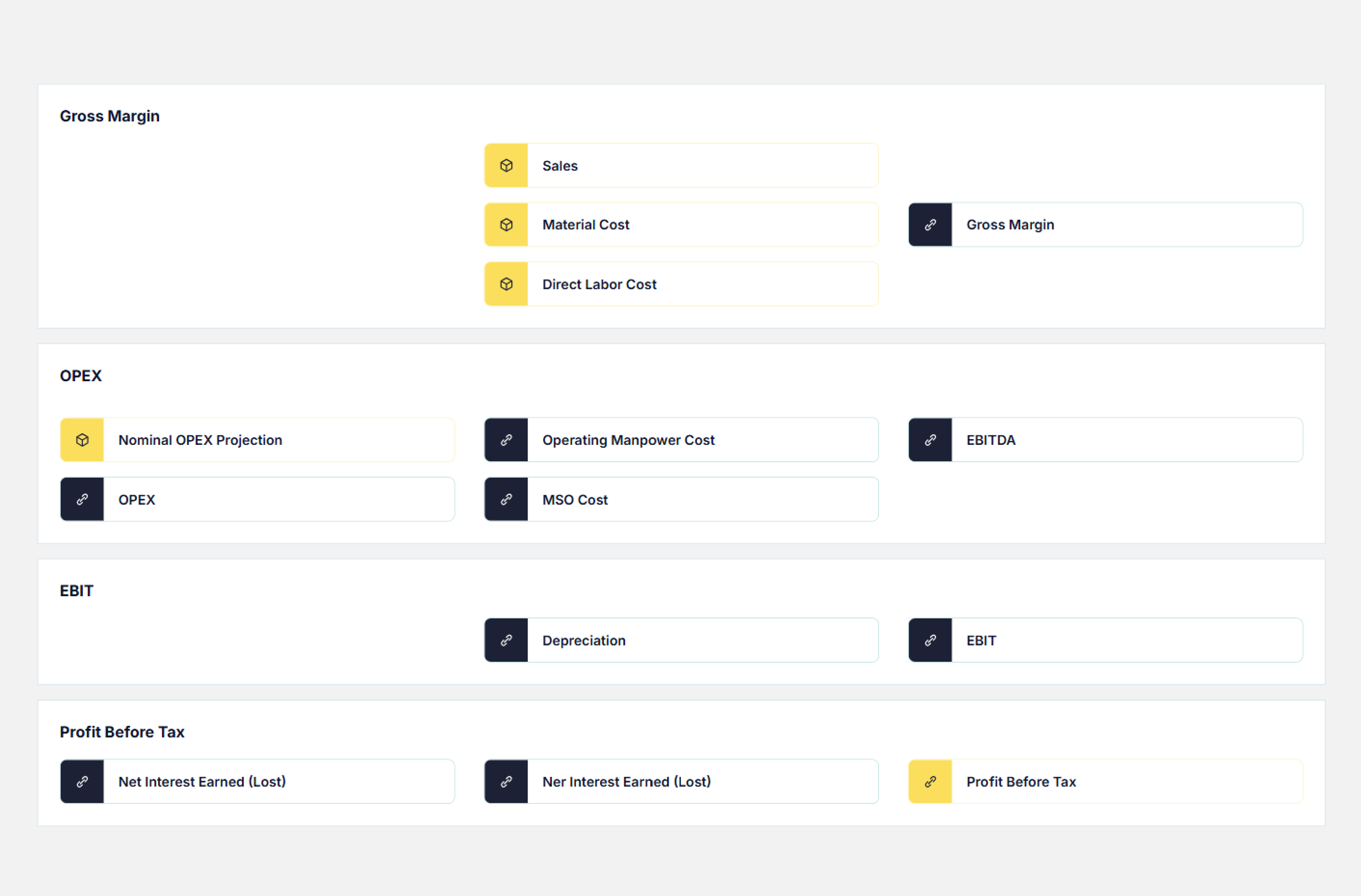
Influence diagrams show how variables, departments, and processes relate, while integrated versioning and documentation track every change, ensuring the team works with full traceability.
Transform complex models into ready-to-use applications without the need for coding.
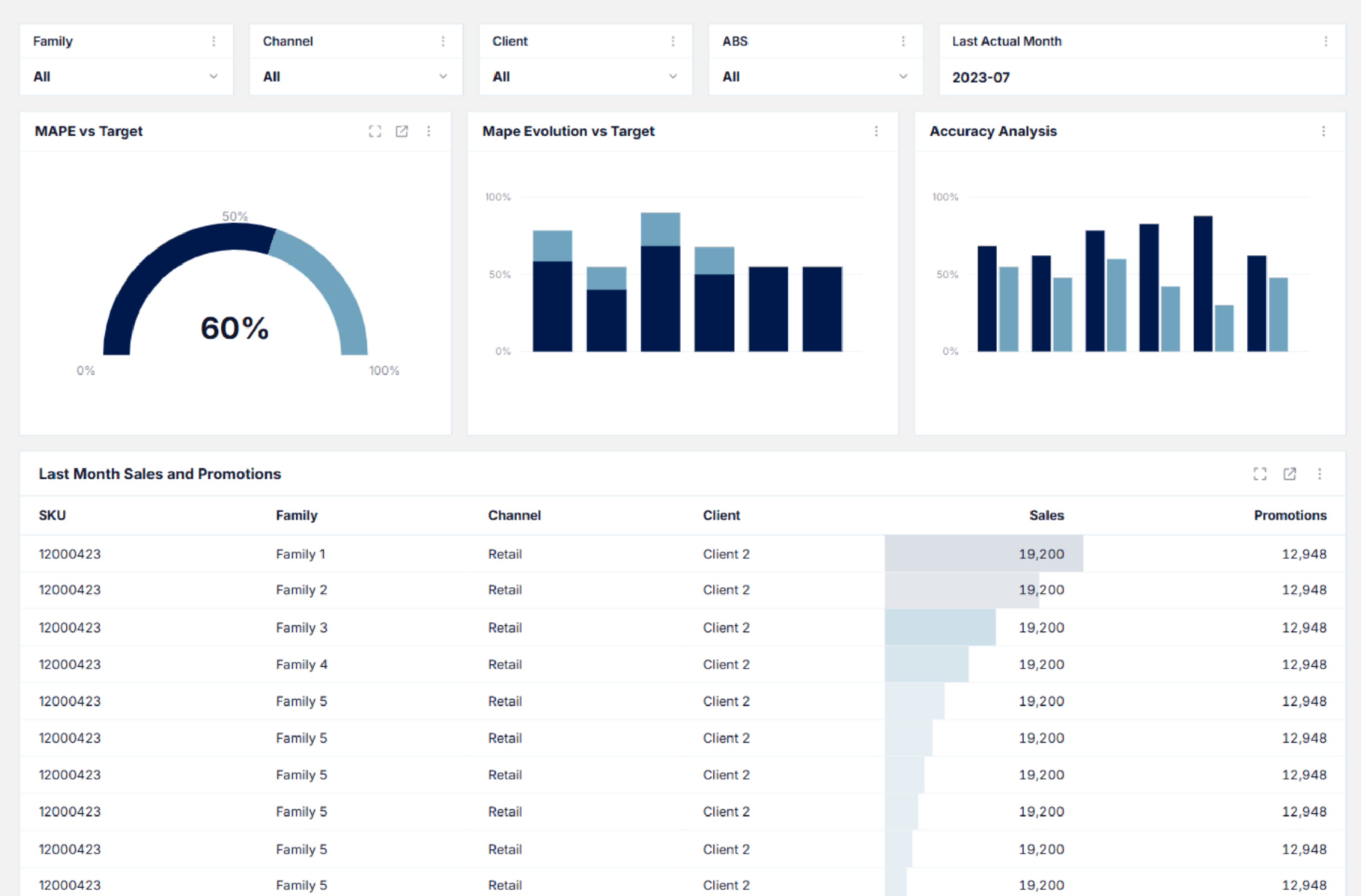
Use the drag-and-drop editor to build dashboards, reports, and simulators, while the scenario manager lets you explore different versions of a plan without modifying the original model.
It also offers interactive reporting tailored to each user, with controlled access so everyone sees only what they need.
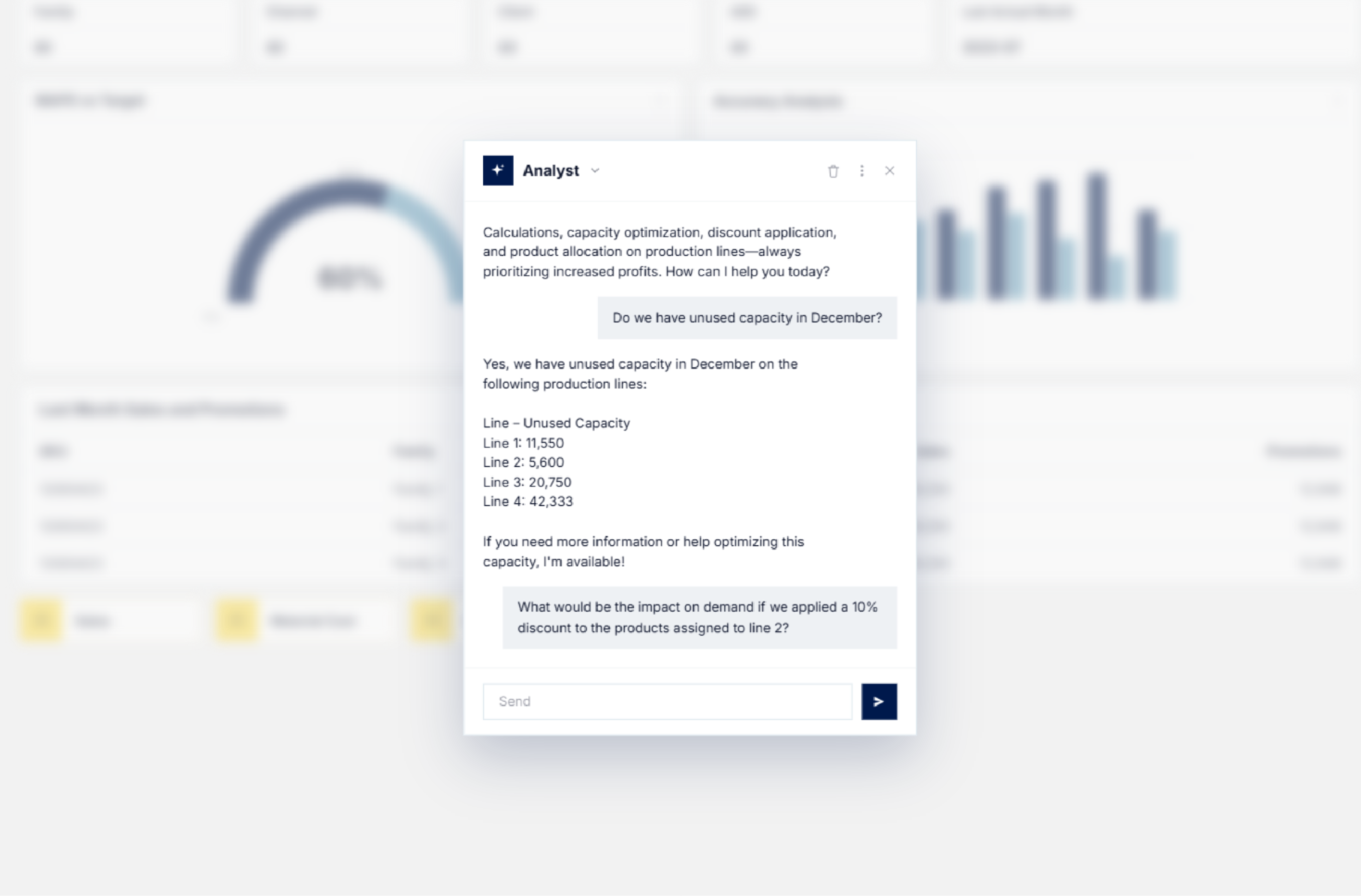
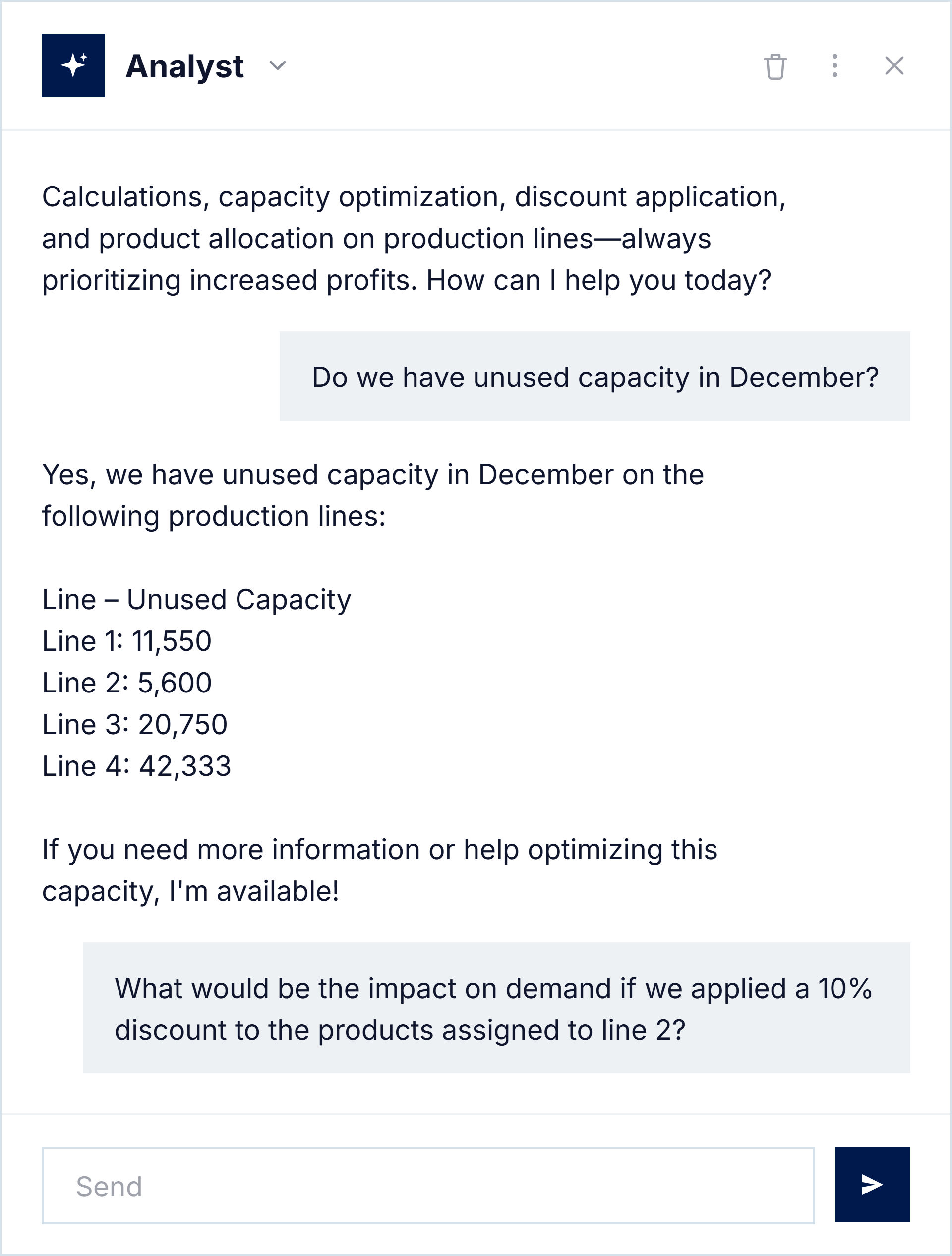
Pyplan's agentic AI improves analysis and accelerates planning by actively participating in decision-making.
It doesn't just answer questions: it understands the business model, assumes specific roles, and acts within the process to turn natural language into scenarios, insights, and actionable decisions.
Discover the supply chain and financial planning platform
Infrastructure ready to scale

Security
AWS infrastructure. Encryption in transit and at rest. Single Sign-On (SSO) and role-based access control.
Limitless scalability
From simple models to multinational structures. Plan Finance, Operations, HR, Supply Chain, and more in a single environment.
True collaboration
Simultaneous, synchronous work. Version control. Task-based workflows.
Learn more about Pyplan
This section answers the most frequently asked questions about Pyplan, how it works, and its capabilities.
How is Pyplan's AI different from the AI we already tried that didn't work?
Most planning AI fails for the same reason: it is a black box bolted onto an existing system. Pyplan is AI-native; AI is integrated into every layer of the Corporate World Model, not added on top. More importantly, every recommendation includes the logic, assumptions, and business impact. If your planners cannot explain why the AI made a decision, they won't trust it. We make that impossible to ignore.
What exactly is the “Corporate World Model”?
It is the living representation of how your business operates: your data (Data Foundation), your coded and versioned business rules and constraints (Business Rules Layer), and the agents that reason over that model to simulate scenarios and recommend actions. This is not a new idea for Pyplan; it is the architecture upon which the platform was built from day one.
Will AI replace our planners?
No. Pyplan’s AI excels at what machines do best: large-scale monitoring, anomaly detection, running thousands of scenarios, and automating routine decisions. Planners retain what only humans do well: exercising judgment on edge cases, aligning different departments, and taking responsibility for the final decision. The result is a faster, better-informed team, not a smaller one.
How do I know I can trust the AI's recommendations?
Don't just take our word for it: every recommendation comes with the data that drove it, the logic applied to the Corporate World Model, and the projected business impact. Planners can challenge any assumption, override any input, and immediately see how that change ripples through the plan. Trust is earned through transparency, not marketing promises.
Does Pyplan use our data to train its AI models?
No. Your business data remains yours. Pyplan models are trained using planning logic and domain knowledge, not your proprietary operational data. Each client's data is kept separate and confidential, and is never used to train or improve our models.
What happens when the AI gets it wrong or the context changes?
That is why the human-in-the-loop approach is a design principle, not just a feature. Planners can override any AI input at any time and see the impact instantly. When conditions change—a tariff, a supply chain disruption, a spike in demand—your team adjusts the assumptions and the Augmented Loop corrects the Corporate World Model. The AI doesn't make the final decision: your team does.
How long does it take to implement and see results?
Pyplan is designed for a fast time-to-value. Because it is built on the open Python ecosystem and integrates with existing data sources, implementation is measured in weeks, not months. Clients like Nestlé Brasil and Coca-Cola Andina. were running AI-assisted planning cycles within their first quarter, with measurable automation rates and planner adoption from day one.
See Pyplan in action